Introduction
The freestanding bathtub has become one of the most coveted features in luxury homes today. Once reserved for grand hotels and the pages of design magazines, it now sits at the heart of aspirational bathrooms across the country, prized for its beauty, presence, and sense of occasion.
It is easy to see why homeowners and designers are so drawn to them. A freestanding bath transforms an ordinary bathroom into something extraordinary, serving as both a functional fixture and a sculptural centrepiece. For designers, it offers a rare combination of visual drama and practical comfort that few other elements can match.
Yet this allure raises an important question: is a freestanding bathtub a luxury indulgence or a smart long-term investment? The answer is more nuanced than it might first appear. In this guide, we explore what defines a freestanding bathtub, why it has become a design icon, the indulgence and investment cases for owning one, and everything you need to consider before bringing this statement piece into your home.
What Is a Freestanding Bathtub?
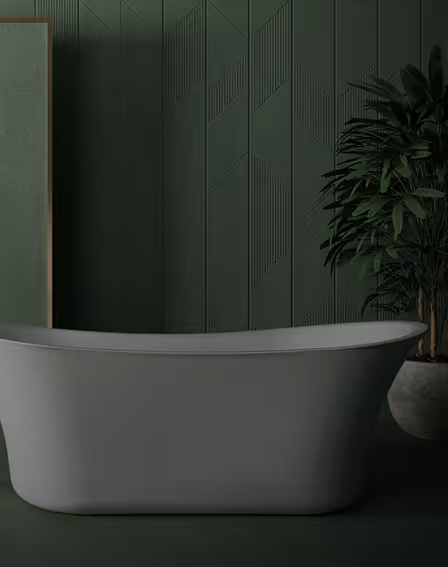
A freestanding bathtub is a bath that stands independently on the floor, unattached to any surrounding walls or built-in surfaces. Finished on all sides, it is designed to be viewed in the round, functioning as a self-contained feature that can be positioned almost anywhere in the bathroom.
This sets it apart from built-in and alcove bathtubs, which are enclosed by walls or housed within a surround on three sides. Where built-in baths are designed to blend into the architecture, a freestanding bath is designed to stand out from it — a deliberate focal point rather than a discreet fixture. This freedom of placement and finish is central to its appeal.
It is precisely this quality that has made the freestanding bathtub such a powerful symbol of luxury bathroom design. Its sculptural form, sense of openness, and air of indulgence elevate the entire space, signalling quality and considered taste. More than a place to bathe, the luxury bathtub has become a defining statement of a beautifully designed home.
Why Freestanding Bathtubs Have Become a Design Icon
The freestanding bathtub's rise from practical fixture to design icon is no accident. Several powerful influences have cemented its status at the centre of contemporary bathrooms.
A Statement Piece for Modern Bathrooms
More than anything, the freestanding bath has become a statement piece for modern bathrooms. Its sculptural silhouette naturally creates a focal point, drawing the eye and anchoring the room around it. In doing so, it dramatically enhances the visual appeal of the space, lending even a simple bathroom a sense of elegance and intention that defines the best modern bathroom design.
The Influence of Luxury Hospitality
The world of luxury hospitality has played a major role in this trend. Drawing inspiration from premium hotels and resorts, homeowners increasingly want to recreate that five-star sense of indulgence at home. The freestanding tub, a fixture of upscale spa suites and boutique retreats, has become shorthand for this kind of elevated, hotel-inspired living.
A Shift Toward Wellness-Focused Living
Finally, there has been a broader shift toward wellness-focused living. As bathrooms evolve into personal retreats rather than purely functional rooms, the freestanding bathtub has emerged as the ultimate symbol of self-care. It speaks to a growing desire to slow down, unwind, and treat the home as a sanctuary — a theme at the heart of today's bathroom wellness trends.
The Indulgence Factor: Why Homeowners Love Freestanding Bathtubs
For many, the appeal of a freestanding bathtub is unapologetically about pleasure and luxury. Here is what makes it such an irresistible indulgence.
A Spa-Like Experience at Home
A freestanding tub delivers a genuine spa-like experience at home. Sinking into a deep, beautifully designed bath recreates the serenity of a high-end spa, allowing you to escape the stresses of the day without ever leaving the house. It turns bathing into a ritual of relaxation.
Enhanced Comfort and Relaxation
These baths are also designed for enhanced comfort and relaxation. Often deeper and more ergonomically shaped than standard tubs, they allow for full immersion and proper unwinding, cradling the body in warmth and supporting truly restorative soaks.
A Sense of Luxury and Exclusivity
There is an undeniable sense of luxury and exclusivity that comes with a freestanding bath. As a feature associated with high-end homes and premium hotels, it brings a feeling of indulgence and sophistication that elevates the entire bathroom and the daily experience of using it.
Elevating Everyday Routines
Ultimately, a freestanding bathtub has a way of elevating everyday routines. The simple act of taking a bath becomes a moment of calm and luxury, transforming a mundane necessity into a cherished part of the day. This is the essence of its indulgence factor.
The Investment Perspective: Are Freestanding Bathtubs Worth It?
Beyond indulgence, there is a compelling practical case to be made. Viewed through the right lens, a freestanding bathtub can be a genuinely sound bathtub investment.
Long-Term Design Value
A freestanding bath offers significant long-term design value. As a timeless, high-impact feature, it continues to enhance the look and feel of a bathroom for years, rarely falling out of favour. Its enduring appeal means it remains a desirable asset long after trend-led fittings have dated.
Increased Property Appeal
A well-chosen freestanding tub can also boost increased property appeal. A beautifully designed bathroom is a powerful selling point, and a striking freestanding bath often becomes a memorable feature that captures buyers' attention and helps a property stand out in a competitive market.
Timeless Aesthetic Relevance
One of the strongest arguments for the freestanding bathtub is its timeless aesthetic relevance. Unlike many design trends that come and go, the freestanding form has remained desirable for generations. Its classic appeal ensures it stays relevant across changing styles, protecting your investment over time.
Durability and Longevity
Finally, quality freestanding baths are built for durability and longevity. Made from robust materials designed to withstand years of use, a well-made tub is a lasting addition to the home. This resilience reinforces its value, making it a fixture you can enjoy for decades.
Key Benefits of Installing a Freestanding Bathtub
Beyond the indulgence and investment perspectives, installing a freestanding bathtub brings a host of practical and aesthetic benefits. It remains one of the most popular luxury bathroom ideas for homeowners seeking to transform their space.
Design Flexibility
A major advantage is design flexibility. Because it stands independently, a freestanding bath can be positioned in numerous ways — centred beneath a window, angled in a corner, or placed as a room's centrepiece — giving you freedom to shape the bathroom around your vision.
Wide Variety of Shapes and Styles
Freestanding tubs come in a wide variety of shapes and styles, from classic roll-top designs to sleek, contemporary silhouettes. This range means there is a freestanding bath to suit every taste and interior, whether your home is traditional, modern, or somewhere in between.
Creates a Premium Bathroom Atmosphere
Few additions so effectively creates a premium bathroom atmosphere. The presence of a freestanding bath instantly elevates the sense of luxury in a room, making the entire space feel more refined, considered, and high-end. As one of the most desirable premium bathroom fixtures available, it sets the tone for everything around it.
Strong Visual Impact
Above all, a freestanding bathtub delivers strong visual impact. As a sculptural focal point, it commands attention and gives the bathroom a sense of drama and personality that built-in baths simply cannot replicate.
Factors to Consider Before Buying a Freestanding Bathtub
As beautiful as they are, freestanding baths require careful planning. Consider these key factors before you buy to ensure the perfect fit.
Bathroom Size and Layout
First, assess your bathroom size and layout. Freestanding tubs need adequate space around them to look their best and function comfortably, so careful space planning requirements must be taken into account. Measure your room thoroughly and ensure there is enough clearance for both the bath and easy movement around it.
Material Selection
Material selection has a major influence on look, feel, weight, and maintenance. Common options include:
- Acrylic — lightweight, warm to the touch, and budget-friendly, with excellent heat retention.
- Stone resin — solid, durable, and luxurious, offering a substantial feel and superb heat retention.
- Cast iron — exceptionally robust and timeless, prized for its durability and classic appeal.
- Composite materials — engineered for strength and design versatility, balancing performance with style.
Plumbing and Installation Requirements
Don't overlook the plumbing and installation requirements. Freestanding baths often need specific floor-mounted or wall-mounted plumbing arrangements, and their weight — particularly for stone resin or cast iron models — may require additional floor support. Professional installation is strongly recommended.
Maintenance and Cleaning Considerations
Finally, factor in maintenance and cleaning considerations. Because freestanding tubs are exposed on all sides, they require cleaning around their full exterior. Choosing a material with an easy-to-clean surface will help keep your bath looking pristine with minimal effort.
Freestanding Bathtub vs Built-In Bathtub
Choosing between a freestanding and a built-in bath is a key decision. Here is how the two compare across the factors that matter most.
Design Appeal
In terms of design appeal, the freestanding bath wins on drama and elegance, serving as a sculptural centrepiece. The built-in bath offers a more streamlined, integrated look that blends quietly into the room's architecture.
Space Requirements
On space requirements, built-in baths are generally more space-efficient, fitting neatly into alcoves and corners. Freestanding tubs typically need more room and breathing space around them to achieve their full visual effect.
Installation Complexity
When it comes to installation complexity, built-in baths can be more straightforward in some layouts, while freestanding baths may require specific plumbing and additional floor support. Both benefit from professional fitting.
Cost Considerations
In terms of cost considerations, freestanding baths often carry a higher price for the tub itself and its installation, reflecting their premium positioning. Built-in baths can be more economical, though costs vary widely with materials and finish.
Overall User Experience
For overall user experience, freestanding tubs typically offer deeper, more immersive and indulgent soaks, while built-in baths provide practical, everyday convenience. The right choice depends on whether you prioritise indulgence or efficiency.
Common Mistakes to Avoid
A freestanding bathtub is a significant purchase, so it pays to sidestep these common mistakes before you commit.
The first is choosing a bathtub that is too large for the space. An oversized tub can overwhelm a bathroom and leave inadequate clearance, disrupting both proportion and practicality. Always match the bath to the room.
Another frequent error is ignoring installation costs. The price of the tub is only part of the picture; plumbing, floor reinforcement, and professional fitting all add up and should be budgeted for from the outset.
Many buyers also make the mistake of overlooking accessibility needs. Freestanding baths can be deeper and harder to step into, so it is important to consider who will use the bath and whether accessibility may be a concern now or in the future.
It is equally unwise to prioritise aesthetics over comfort. A beautiful bath that is uncomfortable or impractical to use brings little lasting joy, so always consider how the tub feels, not just how it looks.
Finally, avoid neglecting material quality. Opting for a cheaper, lower-quality tub can lead to poor heat retention, premature wear, and disappointment. Investing in quality materials ensures lasting beauty and performance.
Who Should Invest in a Freestanding Bathtub?
A freestanding bath isn't for everyone, but for many it is the perfect choice. Here is who stands to benefit most.
Luxury Homeowners
Luxury homeowners seeking to create a high-end, indulgent bathroom will find the freestanding bath an ideal centrepiece. It delivers exactly the sense of opulence and sophistication that defines a premium home.
Design Enthusiasts
Design enthusiasts who love statement pieces and considered interiors will appreciate the sculptural beauty and visual impact of a freestanding tub. It offers a rare opportunity to make a bold, artistic design choice.
Wellness-Focused Individuals
Wellness-focused individuals who value relaxation and self-care will treasure the spa-like experience a freestanding bath provides. For those who see bathing as a restorative ritual, it is a deeply worthwhile addition.
Property Owners Looking to Add Premium Value
Finally, property owners looking to add premium value can use a freestanding bath to elevate their home's appeal. As a desirable, memorable feature, it can help a property stand out and leave a lasting impression on prospective buyers.
Emerging Freestanding Bathtub Trends
The world of freestanding baths continues to evolve. These emerging trends are shaping the most desirable designs today.
Sculptural Designs
Sculptural designs are increasingly sought after, with tubs designed as genuine works of art. Bold, flowing forms turn the bath into an expressive centrepiece that doubles as a statement of contemporary bathroom trends.
Matte Finishes
Matte finishes are gaining popularity over traditional high-gloss surfaces. Soft, understated, and modern, they bring a tactile, sophisticated quality that feels fresh and luxurious, and they have become a hallmark of contemporary bathroom interiors.
Organic Shapes
Organic shapes inspired by nature are on the rise, with gentle curves and rounded silhouettes replacing hard, angular forms. These soothing shapes enhance the sense of calm and comfort the bath provides.
Sustainable Materials
Sustainable materials are becoming a key priority, as eco-conscious homeowners seek baths made from responsibly sourced and environmentally friendly materials. Sustainability is increasingly central to premium design.
Hotel-Inspired Bathroom Concepts
Finally, hotel-inspired bathroom concepts continue to drive demand, as homeowners recreate the indulgent, five-star feel of luxury hotels at home. The freestanding tub remains the defining feature of this aspirational, resort-like aesthetic.
Conclusion
So, is a freestanding bathtub an indulgence or an investment? As we have seen, it is genuinely both. It offers the pure pleasure of a spa-like soak and a sense of everyday luxury, while also delivering lasting design value, timeless appeal, and the potential to enhance your property.
Which side matters most often depends on lifestyle, space, and long-term goals. For wellness-focused homeowners, the indulgence alone justifies the choice; for those thinking about resale and longevity, the investment case is equally strong. In most cases, the two go hand in hand, making the decision easier than it first appears.
What is beyond doubt is the enduring appeal of freestanding bathtubs in modern bathroom design. Combining beauty, comfort, and lasting value, they remain one of the most rewarding additions you can make to a luxury bathroom — a statement piece that delights every day while standing the test of time. Whether you view it as an indulgence, an investment, or both, a freestanding bath is a choice you are unlikely to regret.
Frequently Asked Questions
Are freestanding bathtubs suitable for small bathrooms?
Yes, freestanding bathtubs can work in small bathrooms, provided you choose the right size and shape. Compact and space-saving freestanding models are widely available, and slimmer or shorter designs can fit comfortably into smaller rooms. The key is careful space planning — ensuring there is enough clearance around the tub for comfort and cleaning. A well-chosen freestanding bath can even make a small bathroom feel more luxurious and considered, turning a modest space into a stylish retreat.
Do freestanding bathtubs add value to a home?
A freestanding bathtub can certainly enhance a home's appeal and perceived value. A beautifully designed bathroom is a strong selling point, and a striking freestanding bath often becomes a memorable, aspirational feature that helps a property stand out to potential buyers. While the exact impact on resale value varies by market and property type, a quality freestanding tub contributes to the sense of luxury and care that buyers find attractive, making it a worthwhile consideration for those thinking long term.
What is the best material for a freestanding bathtub?
The best material depends on your priorities. Acrylic is lightweight, warm, and budget-friendly with good heat retention, making it a popular all-round choice. Stone resin offers a solid, luxurious feel with excellent heat retention, ideal for those seeking premium quality. Cast iron is exceptionally durable and timeless, though very heavy, while composite materials balance strength and design versatility. Consider weight, heat retention, maintenance, budget, and aesthetics together to determine which material best suits your bathroom and lifestyle.
Are freestanding bathtubs difficult to maintain?
Freestanding bathtubs are generally straightforward to maintain, though they do require cleaning around their full exterior since all sides are exposed. Choosing a material with a smooth, easy-to-clean surface — such as quality acrylic or stone resin — makes upkeep simple. Regular wiping to prevent soap scum and limescale, along with gentle, non-abrasive cleaning products, will keep the tub looking pristine. With a little routine care, a freestanding bath remains beautiful and hygienic for many years.
How long does a quality freestanding bathtub last?
A quality freestanding bathtub is built to last for many years, and often decades, with proper care. Durable materials like cast iron and stone resin are especially long-lasting, resisting wear and retaining their appeal over time, while well-made acrylic tubs also offer excellent longevity. The lifespan ultimately depends on the material, build quality, and maintenance. Investing in a well-made bath from a reputable source ensures you enjoy its beauty and performance for the long term, reinforcing its value as a lasting addition to your home.
.avif)
.avif)
.avif)