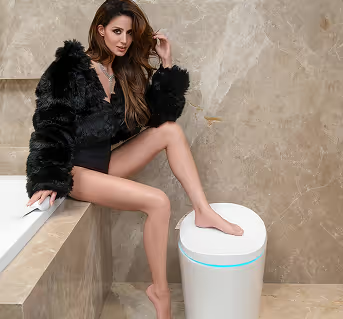
Water-based cleaning around the toilet can take several forms. It may be built into the toilet, added through a bidet seat or attachment, provided by a handheld health faucet, or installed as a separate bidet fixture.
Although these solutions serve a similar purpose, they work differently and have different plumbing, space and installation requirements.
This guide explains what a bidet toilet is, the main types of bidet systems, how to use one and what to consider before choosing a solution for your bathroom.
What Is a Bidet Toilet?
A bidet toilet combines the functions of a conventional toilet with a water-based personal cleaning system.
Depending on the design, the washing function may be integrated directly into the WC or incorporated into a compatible toilet seat. Some systems also use attachments fitted to an existing toilet.
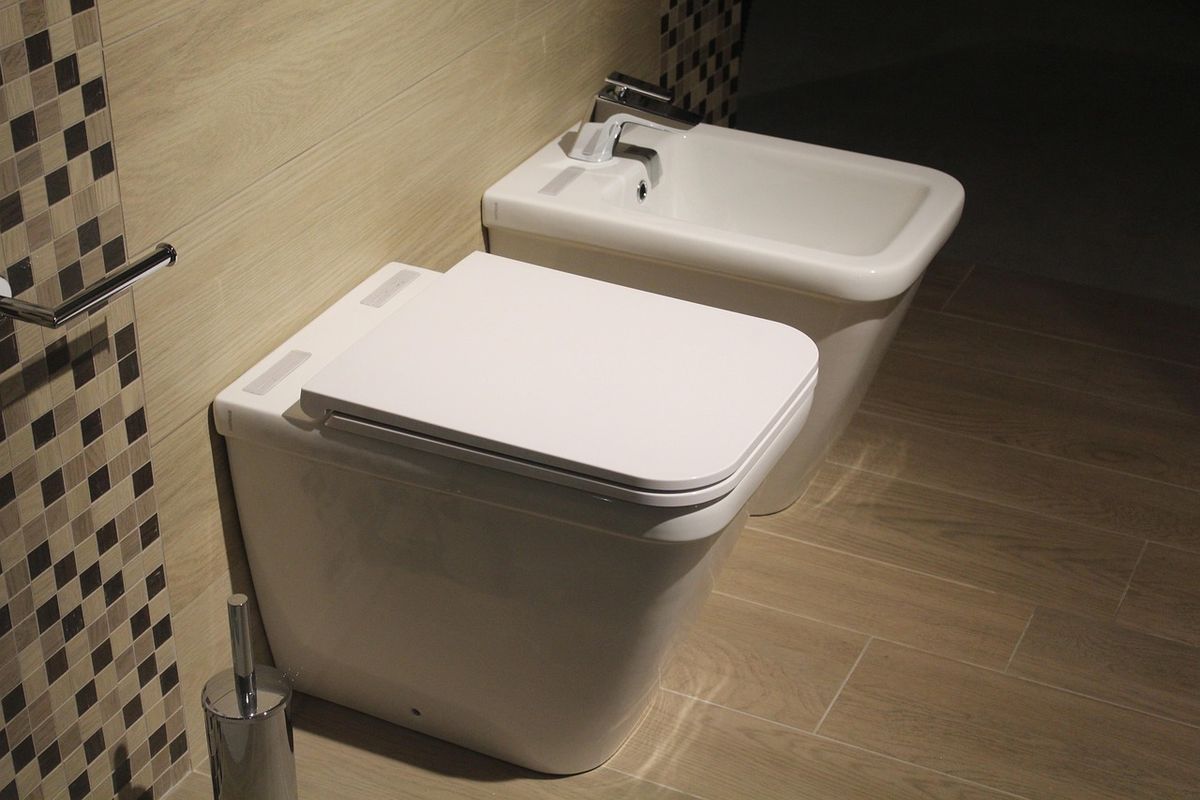
A handheld bidet spray or health faucet serves a similar cleaning purpose but is not an integrated bidet toilet. A traditional standalone bidet is also different because it is installed as a separate bathroom fixture, usually beside the WC.
Understanding these differences makes it easier to compare the available options.
How Does a Bidet Toilet Work?
After using the toilet, the bidet function releases a controlled stream of water for personal cleaning.
How the system operates depends on the model. Controls may be located on the side of the seat or toilet, or operated using a separate remote control.
Some models allow you to adjust features such as:
- Water pressure
- Nozzle position
- Water temperature
- Seat temperature
- Air drying
More advanced electronic models may offer additional comfort and automatic functions. These features vary considerably between products, so always check the manufacturer's specifications rather than assuming they are included.
After cleaning and drying as required, the toilet can be flushed according to its normal operation.
What Are the Different Types of Bidets?
Integrated Bidet Toilets
An integrated bidet toilet combines the WC and water-cleaning function within one fixture.
This can create a streamlined appearance because a separate bidet or handheld spray may not be required.
However, an integrated bidet toilet is not automatically a smart toilet. Some models provide relatively simple washing functions, while others include electronic controls, warm water, drying and other advanced features.
Bidet Toilet Seats
A bidet toilet seat replaces the existing seat on a compatible WC and adds a water-cleaning function.
Depending on the product, features may include adjustable water pressure, nozzle positioning, warm water, heated seating and air drying.
Not every bidet seat fits every WC, so dimensions, water connections and electrical requirements should be checked before purchase.
Bidet Attachments
A bidet attachment is fitted to a compatible existing toilet and provides water-based cleaning without replacing the entire WC.
These can offer a relatively simple way of adding bidet functionality, although installation requirements and available controls vary between products.
Handheld Bidet Sprays / Health Faucets
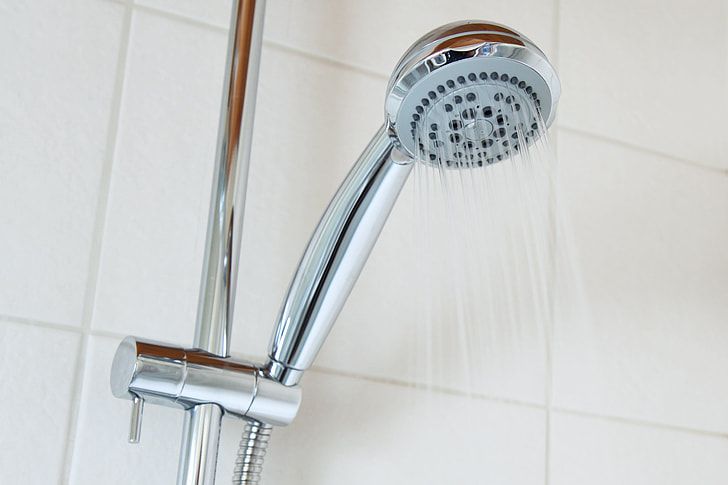
A health faucet, also known as a handheld bidet spray or health spray, is installed beside the toilet.
Unlike an integrated bidet, the user manually holds and directs the spray during cleaning.
Health faucets are particularly familiar in Indian bathrooms and can provide a simple water-cleaning solution without integrating additional functions into the WC itself.
Standalone Bidets
A traditional standalone bidet is a completely separate sanitary fixture installed near the toilet.
It requires its own floor or wall space as well as suitable water supply and drainage connections. For this reason, it generally requires more bathroom space than an integrated system or health faucet.
Bidet Toilet vs Regular Toilet: What's the Difference?
The main difference is straightforward: a bidet toilet includes a water-cleaning function, while a conventional toilet usually does not.
| Feature | Regular Toilet | Bidet Toilet |
|---|---|---|
| Primary function | Toilet use | Toilet + water cleaning |
| Built-in water cleaning | Usually no | Yes |
| Separate cleaning fixture | May use a health faucet or separate bidet | May not be required |
| Controls | Standard toilet/flush controls | Additional bidet controls |
| Comfort features | Usually limited | Available on some models |
| Installation | Conventional WC installation | Requirements vary by system |
The toilet design, available features and installation requirements can vary significantly between models.
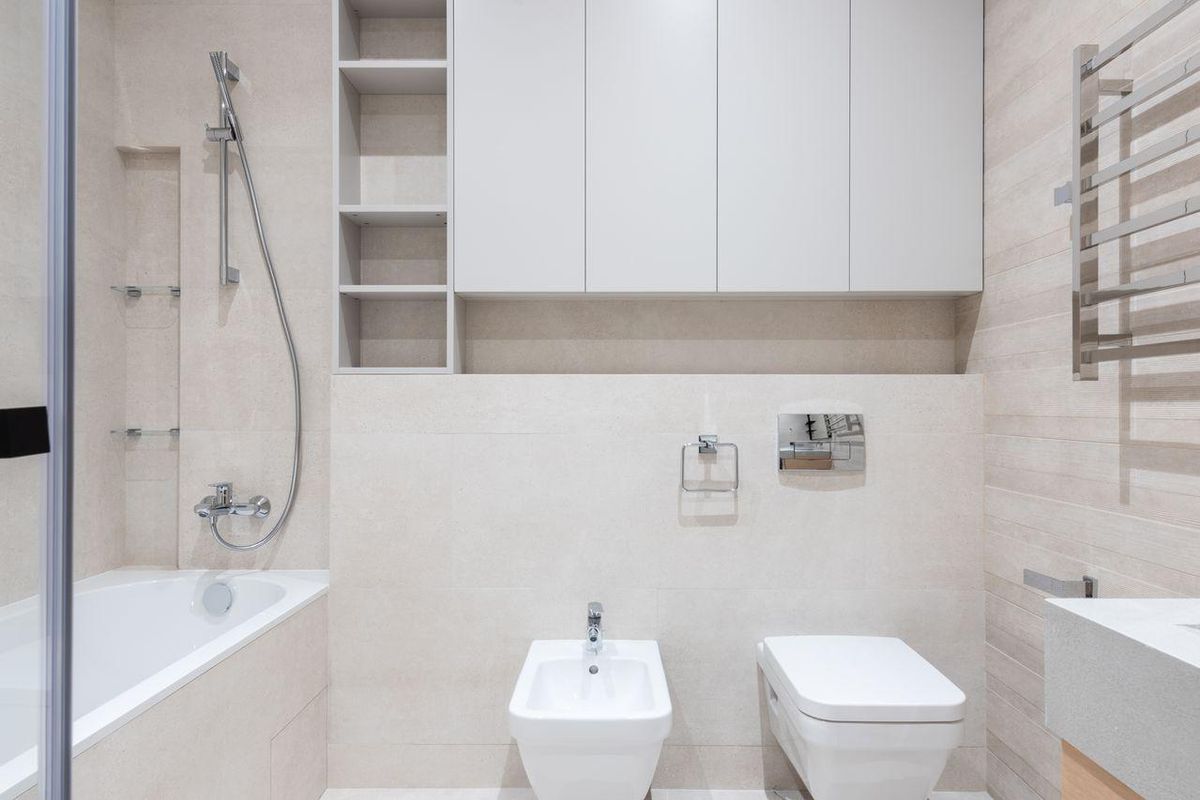
How to Use a Bidet Toilet
The exact operation will depend on the product, so the manufacturer's instructions should always take priority. In general, the process is simple.
Step 1 — Use the Toilet Normally
Use the WC as you normally would.
Step 2 — Activate the Bidet Function
Activate the washing function using the controls provided.
Depending on the model, these may be located on the seat, side panel or a remote control.
Step 3 — Adjust the Water
If the system provides adjustable pressure, begin with a lower comfortable setting and increase it if needed.
Some models may also allow you to adjust the water temperature and nozzle position.
Step 4 — Allow the Water to Clean
Remain seated and position yourself according to the product instructions so that the water can clean the required area.
Step 5 — Dry If Required
Some electronic bidet toilets include an air-drying function.
If the model does not include drying, toilet paper can be used for drying according to personal preference.
Step 6 — Flush
Once finished, flush the toilet as usual or according to the manufacturer's operating instructions.
Why Are Bidet Toilets Popular in Modern Bathrooms?
Water-Based Personal Cleaning
Many people prefer water-based cleaning after using the toilet rather than relying only on toilet paper.
Bidet toilets provide this function directly within the WC area.
Convenience
An integrated system keeps the cleaning function within the toilet itself. This can remove the need for a separate standalone bidet and may make everyday use more convenient.
Cleaner Bathroom Design
Combining WC and bidet functions into one fixture can reduce the number of separate visible fixtures around the toilet.
This can be particularly useful when creating a clean, uncluttered or minimalist bathroom interior.
Additional Comfort Features
Depending on the model, premium electronic bidet toilets may include warm water, heated seats, adjustable sprays, nozzle positioning, air drying, remote controls and automatic functions.
These features are product-specific and should always be verified before purchase.
Bidet Toilet vs Health Faucet: What's the Difference?
Both provide water-based cleaning, but they work quite differently.
| Feature | Bidet Toilet | Health Faucet |
|---|---|---|
| Cleaning method | Built-in water spray | Handheld water spray |
| Operation | Integrated controls | Manually operated |
| Position | Integrated with WC | Installed beside WC |
| Appearance | More integrated | Separate visible fitting |
| Installation | Depends on the model | Requires suitable water connection |
| Advanced features | Available on some models | Generally simpler |
| Electrical supply | Required for some models | Normally not required for a basic health faucet |
Neither option is automatically right for every bathroom.
A health faucet offers a familiar and straightforward solution, while an integrated bidet toilet can provide a more streamlined appearance and, depending on the model, additional comfort functions.
The choice comes down to the bathroom layout, plumbing, budget and personal preference.
What to Consider Before Buying a Bidet Toilet
Available Bathroom Space
Consider the bathroom layout and available floor space.
An integrated bidet toilet can combine two functions in one fixture, while a traditional standalone bidet requires additional space beside the WC.
Plumbing Requirements
Check the required water inlet, drainage connection, water pressure and other plumbing requirements before choosing a product.
These requirements can differ between conventional WCs, bidet seats and integrated bidet toilets.
Electrical Requirements
Electronic bidet toilets and seats may require a suitable electrical supply close to the WC.
Simpler water-operated systems and conventional health faucets may not require electricity.
If electrical power is required in a wet bathroom environment, installation should follow applicable electrical safety requirements and the manufacturer's instructions.
Water Pressure
Check whether the available water pressure falls within the operating range specified for the product.
Too little or excessive pressure may affect performance or require changes to the installation.
Features You Actually Need
Separate must-have features from nice-to-have features.
Warm water, heated seats, drying, remote controls and automatic functions may sound appealing, but a longer feature list does not automatically make a product more suitable for your bathroom.
Choose according to how the toilet will actually be used.
Bathroom Design
The WC is a significant visual element in the bathroom.
Consider its shape, proportions, cistern arrangement and surrounding fittings alongside the basin, faucets and other sanitaryware so that the bathroom feels coordinated rather than assembled from unrelated pieces.
Installation and Maintenance
More advanced electronic systems may require specialist installation and servicing.
Check how the nozzles and other components should be cleaned, whether serviceable components remain accessible and what routine maintenance the manufacturer recommends.
Bidet Toilets in Luxury Bathroom Design
Modern luxury bathrooms are about more than adding features. Comfort, function and visual simplicity need to work together.
An integrated WC and bidet solution can complement contemporary interiors, concealed-cistern arrangements and uncluttered bathroom layouts. A well-designed health faucet can provide another practical solution where a separate handheld spray is preferred.
The important point is to choose the WC and cleaning system as part of the complete bathroom layout, rather than considering one product or feature in isolation.
This is consistent with Sternhagen's broader approach to bathroom design, where sanitaryware, basins, faucets and other elements are designed to contribute to a coordinated bathroom environment.
Sternhagen Water Closets & Health Faucets
Sternhagen's bathroom range includes water closets and other sanitaryware designed for contemporary bathroom environments.
For bathrooms where a separate water-cleaning solution is preferred, a health faucet can be positioned beside the WC. This provides manually controlled water cleaning without requiring the function to be built into the toilet.
When planning the WC area, consider the toilet, flushing arrangement, health faucet, water connections and surrounding fittings together. This helps create a bathroom that works practically while maintaining a clean and coordinated appearance.
Explore Sternhagen's bathroom collections when planning the WC, basin and other elements of a complete bathroom.
If you are specifically considering an integrated bidet toilet from any manufacturer, check the individual product specifications carefully for its washing functions, water-pressure requirements, plumbing connections, electrical supply and installation requirements.
Frequently Asked Questions About Bidet Toilets
Is a bidet the same as a toilet?
Not always. A traditional bidet is a separate fixture used for water-based personal cleaning. An integrated bidet toilet combines the toilet and washing functions within one fixture.
Can you get a toilet with a built-in bidet?
Yes. Integrated bidet toilets combine conventional WC and water-cleaning functions in one fixture. The exact washing and comfort features depend on the model.
Do bidet toilets need electricity?
Some do and some do not.
Electronic bidet toilets and seats with features such as heated water, heated seats, drying or electronic controls generally require power. Simpler water-operated systems may not.
Do you still need toilet paper with a bidet?
That depends on the product and personal preference. Models with an air-drying function may reduce the need for toilet paper for drying, while other systems may still require it.
What is the difference between a bidet and a health faucet?
A built-in bidet uses a fixed water-cleaning system integrated into the toilet or seat. A health faucet is a separate handheld spray that the user manually directs.
A traditional standalone bidet is different again, as it is a separate sanitary fixture installed beside the WC.
Can a bidet be added to an existing toilet?
In some cases, yes. A compatible bidet seat or attachment may be added to an existing WC.
Check the toilet dimensions, seat compatibility, water connection and electrical requirements, where applicable, before choosing one.
Are bidet toilets suitable for Indian bathrooms?
They can be. The right solution depends on the available space, plumbing, water pressure, electrical requirements, installation conditions and the user's preference.
Health faucets are also a practical and widely familiar option for Indian bathrooms.
Conclusion
A bidet is not one specific type of bathroom fitting. It can be a standalone fixture, an integrated WC function, a toilet seat or attachment, while a health faucet provides a separate handheld approach to water-based cleaning.
The best solution depends on how you prefer to use the bathroom, available space, plumbing, required features and overall bathroom design.
For a well-planned bathroom, consider the WC and personal-cleaning solution alongside the basin, faucets, sanitaryware and other fittings rather than choosing each element separately.
Explore Sternhagen's luxury bathroom products to plan a bathroom where everyday function and contemporary design work together.