10 Luxury Bathroom Design Trends Defining Architect-Led Projects in 2026
The bathroom has quietly become the most important room in the modern home. Once a purely functional space tucked away as an afterthought, it has evolved into a personal wellness sanctuary — a place to begin and end each day with intention. As our lives grow busier and more connected, the desire for a private retreat that restores both body and mind has never been stronger.
Architects and interior designers are responding to this shift. Across high-end residential projects, they are prioritizing comfort, intelligent technology, and a sense of timeless luxury over fleeting fashion. The result is a new design language for the bathroom, one that treats it as seriously as any living space — sometimes more so.
This article previews the biggest luxury bathroom design trends shaping 2026 projects. From warm, earth-inspired palettes to spa-grade wellness features and discreet smart technology, these are the ideas defining luxury modern bathroom design for the year ahead. Whether you are planning a full renovation or refining a single detail, these trends reveal where luxury bath design is heading — and why.
1. Warm, Earth-Inspired Color Palettes Take Center Stage
The era of the cold, clinical bathroom is ending. For years, crisp whites and cool greys dominated luxury interiors, prized for their clean, minimal appeal. In 2026, designers are moving decisively away from that sterile aesthetic in favour of warmth and depth.
Earthy, grounded tones are leading the way. Clay, sand, mushroom, terracotta, and a spectrum of warm neutrals are replacing stark monochromes, bringing a softness that feels far more human. These hues draw inspiration from natural landscapes and organic materials, creating spaces that feel calm rather than clinical.
The effect is a more inviting and sophisticated atmosphere. Warm palettes flatter natural light, complement premium sanitaryware, and create a cocooning quality that makes a bathroom feel like a destination rather than a utility. It is one of the most defining luxury bathroom styles emerging this year, and it sets the tonal foundation for nearly every other trend on this list.
2. Spa-Inspired Wellness Bathrooms
If there is one idea driving luxury design in 2026, it is wellness. Bathrooms are increasingly conceived as private sanctuaries designed specifically for relaxation and restoration, blurring the line between the home and the high-end spa.
This translates into tangible features: steam showers that envelop the body in warmth, deep soaking tubs built for long, unhurried baths, and carefully controlled environments where lighting, temperature, and sound work together to calm the nervous system. Every element is chosen to slow the pace and signal rest.
Underpinning all of this is the growing wellness-at-home movement. As people invest more in their physical and mental health, the bathroom has become a natural place to bring that ritual home. A spa-inspired bathroom is no longer an indulgence reserved for hotels — it is becoming a central expectation of any luxury modern bathroom.
3. Sculptural Freestanding Bathtubs
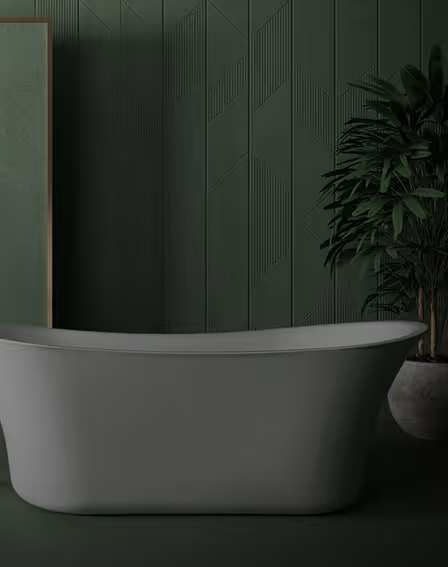
The freestanding bathtub has graduated from practical fixture to centrepiece. In 2026, architects are specifying tubs as genuine statement pieces — sculptural objects that anchor the room and announce its intent the moment you walk in.
The shapes are softer and more expressive than ever. Organic, flowing silhouettes replace hard rectangular forms, while deeper basins invite a fuller, more immersive soaking experience. The tub becomes as much a work of art as a place to bathe.
Material choice elevates the effect further. Premium options such as stone resin and cast stone offer a tactile, substantial quality, retaining heat beautifully and delivering a finish that feels unmistakably luxurious. A sculptural freestanding bath is one of the clearest expressions of modern bathroom luxury, combining form, comfort, and craftsmanship in a single defining element.
4. Natural Stone and Textured Surfaces
Luxury in 2026 is something you can feel, not just see. Natural stone is at the heart of this movement, with travertine, limestone, marble, and fluted stone details appearing across walls, floors, vanities, and bespoke features. Each material brings its own character, veining, and depth.
The emphasis has shifted from high-gloss perfection to tactile luxury. Matte, honed, and textured finishes are increasingly favoured over glossy surfaces, rewarding touch as much as sight. This tactility lends a quiet sophistication that polished surfaces alone cannot achieve.
Texture also does important visual work. Fluted stone, rough-hewn edges, and layered materials create depth and visual interest, catching light and shadow throughout the day. The result is a luxury design bathroom that feels rich, considered, and deeply connected to the natural world.
5. Smart Bathroom Technology Goes Mainstream
Technology has finally matured enough to belong in a luxury bathroom without compromising its calm. In 2026, smart features are moving firmly into the mainstream, integrated so seamlessly that they enhance the experience rather than dominate it.
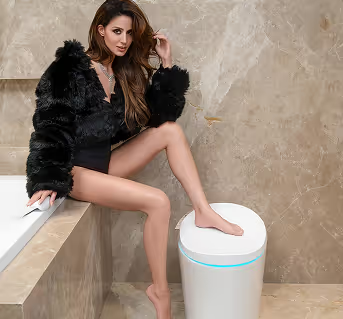
Smart toilets with touchless features lead the way, offering hygiene and convenience that feel genuinely effortless. Programmable lighting and climate controls let users set the perfect mood and temperature before they even step inside. App-connected showers and mirrors remember preferences, adjust on cue, and bring a layer of personalisation that was unimaginable a decade ago.
Crucially, this is luxury meeting convenience and sustainability. Many smart systems also reduce water and energy consumption, aligning high-end comfort with responsible living. Thoughtfully specified, smart bathroom technology is no longer a gimmick — it is a defining feature of the contemporary luxury bathroom.
6. Layered Lighting Design
Lighting can make or break a bathroom, and in 2026 it is being treated with the seriousness it deserves. The leading approach is layered lighting design, where ambient, task, and accent lighting work together to shape the space across different moods and moments.
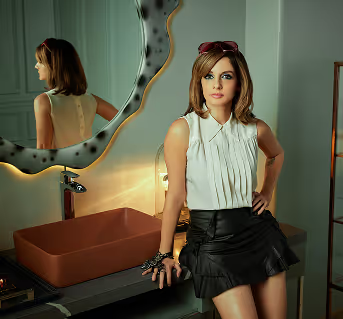
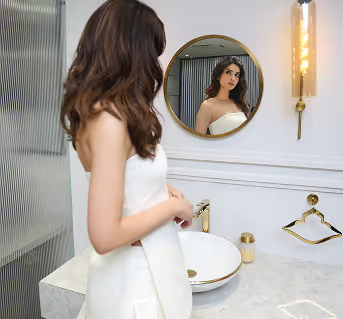
Each layer has a role. Ambient light sets the overall tone, task lighting ensures function at the mirror and vanity, and accent lighting highlights architecture, materials, and key features. Backlit mirrors and decorative sconces have become signature elements, adding both practicality and a soft, flattering glow.
Above all, lighting is now understood as a design feature, not an afterthought. When planned from the outset, it transforms how every other material and finish is perceived — making warm palettes glow, stone textures come alive, and the whole room feel intentional. It is a subtle but essential ingredient in any luxury bath design.
7. Statement Powder Rooms
The guest bathroom is having its moment. In 2026, architects are reimagining small spaces as design showcases — compact rooms where creativity can run free precisely because the scale is contained.
This is where bold choices thrive. Dramatic materials, striking lighting, and designer fixtures turn a modest powder room into a memorable experience, often becoming the most talked-about space in the home. Because the square footage is limited, there is freedom to take risks that might feel overwhelming in a larger room.
It is no surprise that architects are encouraging more creativity in guest bathrooms. A statement powder room offers an outsized return on a small footprint, delivering personality, surprise, and a concentrated dose of luxury. It proves that impactful luxury bathroom ideas are not reserved for large primary suites.
8. Biophilic Design and Nature-Inspired Elements
Our innate connection to nature is shaping the bathrooms of 2026. Biophilic design — the practice of bringing the outdoors inside — has become a cornerstone of wellness-focused luxury, creating spaces that feel grounded, serene, and alive.
The vocabulary is natural and tactile: abundant natural light, greenery integrated into the room, and organic materials such as stone and wood finishes. Together, these elements soften hard surfaces and introduce a living, breathing quality that synthetic interiors cannot replicate.
The deeper purpose is enhancing wellbeing through nature-focused design. Studies consistently link natural light, plants, and organic materials to lower stress and improved mood — exactly the qualities a luxury bathroom should foster. Biophilic design pairs naturally with spa-inspired and earth-toned trends, reinforcing the wellness sanctuary at the heart of contemporary bathroom interiors.
9. Floating Vanities and Furniture-Like Cabinetry
Storage is becoming as beautiful as it is functional. In 2026, floating vanities and furniture-like cabinetry are redefining how the bathroom is composed, lending it the polish of a thoughtfully designed living space.
Wall-mounted, floating vanities create a lighter, more spacious feel, freeing up floor area and allowing light to travel beneath them. The visual openness makes even modest bathrooms feel larger and more serene. Meanwhile, cabinetry is increasingly designed to blur the line between bathroom and interior furniture, with refined finishes, elegant proportions, and considered detailing.
The appeal lies in storage solutions with genuine luxury appeal. Rather than hiding utility away, these pieces celebrate it — offering organisation and craftsmanship in equal measure. It is a trend that brings the sophistication of fine furniture into the heart of luxury modern bathroom design.
10. Mixed Metals and Curated Finishes
The perfectly matched bathroom is giving way to something richer and more personal. In 2026, mixed metals and curated finishes are the hallmark of a confident, designer-led space, layering warmth and character throughout.
Warm tones are leading: brass, bronze, and brushed nickel finishes bring depth and a sense of craft that cool chrome cannot match. Designers are deliberately layering these materials — pairing a brass tap with bronze hardware, for example — to create a collected, personalised look that feels curated over time rather than bought as a set.
This marks a clear move away from overly coordinated bathrooms. The goal is harmony, not uniformity: finishes that complement rather than mirror one another, telling a more individual story. Mixed metals are among the most versatile luxury bathroom styles, allowing every space to feel distinct while remaining unmistakably premium.
What These Trends Reveal About Luxury Bathroom Design in 2026
Taken together, these ten trends point to a deeper shift in how we think about luxury bathroom design. The defining themes are less about specific products and more about values — comfort, individuality, intelligence, and longevity.
Wellness Is the New Luxury
The clearest message of 2026 is that wellness has become the ultimate luxury. From spa-inspired features and biophilic elements to soaking tubs and calming palettes, the bathroom is now valued for how it makes us feel, not just how it looks. True luxury is measured in restoration and calm.
Personalization Over Perfection
The flawless, matchy-matchy bathroom is no longer the goal. Mixed metals, curated finishes, and statement powder rooms all celebrate personality and individual taste. Today's luxury bath design embraces character and imperfection, creating spaces that feel authentic rather than showroom-perfect.
Technology with Purpose
Smart features have earned their place — but only when they serve a purpose. The best 2026 bathrooms use technology to enhance comfort, hygiene, and sustainability without cluttering the experience. Intelligent design is invisible design, working quietly in the background.
Timeless Materials Over Short-Lived Trends
Beneath the seasonal excitement, there is a strong commitment to longevity. Natural stone, premium sanitaryware, and tactile textures are chosen precisely because they endure — in both durability and style. The smartest luxury bathroom ideas favour timeless materials over short-lived fads.
Common Mistakes to Avoid When Following Trends
Trends are a starting point, not a rulebook. Even the most beautiful luxury modern bathroom can fall short if these common pitfalls are overlooked.
The first mistake is copying trends without considering functionality. A feature that looks stunning in a magazine may not suit your space, lifestyle, or climate. Always start with how the room will actually be used.
Closely related is ignoring maintenance requirements. Some materials and finishes demand more upkeep than others, and a surface that is difficult to clean or prone to wear can quickly lose its appeal. Factor in long-term care before you commit.
Another frequent error is overusing technology. Smart features should solve real problems, not add complexity for its own sake. Too many systems can make a calming space feel busy and overwhelming. Restraint is part of the luxury.
It is also tempting to choose trendy finishes over timeless materials. Fashion-led choices can date quickly, while quality natural materials and premium sanitaryware age gracefully. Invest in pieces you will still love in a decade.
Finally, never underestimate the importance of proper lighting and ventilation. Even the most expensive bathroom will disappoint if it is poorly lit or prone to damp. These fundamentals protect both the beauty and the longevity of the space.
Conclusion
The luxury bathroom of 2026 is warm, personal, and wellness-focused — a profound departure from the cold, uniform spaces of the past. Across every trend, the same priorities recur: comfort that nurtures, design that reflects the individual, and an atmosphere built around genuine wellbeing.
Architects are responding by specifying designs that balance beauty, technology, and longevity in equal measure. They are choosing earth-toned palettes, sculptural baths, natural stone, intelligent smart features, and curated finishes not as isolated statements, but as parts of a cohesive whole that elevates daily life.
Ultimately, the best luxury bathrooms are those that improve everyday living while maintaining timeless appeal. They reward you every morning and every evening, year after year. As these luxury bathroom design trends continue to mature, one principle stands above the rest: true luxury is not about following fashion, but about creating a space that feels effortlessly, enduringly yours.
Frequently Asked Questions
What is the biggest luxury bathroom trend in 2026?
The single biggest trend is the rise of wellness-focused, spa-inspired bathrooms. Homeowners and architects alike are prioritising relaxation and restoration, incorporating features such as steam showers, deep soaking tubs, calming earth-toned palettes, and biophilic elements. In short, wellness has become the new definition of luxury — and it influences nearly every other trend shaping luxury bathroom design this year.
Are smart bathrooms worth the investment?
For most luxury projects, yes — provided the technology serves a genuine purpose. Smart toilets, touchless features, programmable lighting, and app-connected showers add meaningful convenience, hygiene, and personalisation, and many also reduce water and energy use, supporting sustainability. The key is restraint: choose features that enhance daily comfort rather than adding complexity. Specified thoughtfully, smart bathroom technology delivers lasting value.
Which materials are most popular in luxury bathrooms today?
Natural and tactile materials dominate. Travertine, limestone, marble, and fluted stone are highly sought after, alongside warm woods and premium sanitaryware in stone resin and cast stone. Matte and textured finishes are favoured over high-gloss surfaces, and warm metals such as brass, bronze, and brushed nickel are replacing cool chrome. These materials are prized for both their beauty and their timeless durability.
How can I make my bathroom feel more luxurious without a full renovation?
Several smaller changes deliver outsized impact. Upgrade your lighting with layered ambient, task, and accent sources, or add a backlit mirror. Swap dated fittings for warm metal finishes like brass or brushed nickel, introduce natural textures and greenery, and invest in a few premium details such as quality taps or stone accessories. Even a refreshed, earth-toned colour scheme can transform the atmosphere and bring a sense of luxury without major construction.
Will these bathroom design trends remain relevant beyond 2026?
Many will. The trends rooted in timeless principles — natural materials, wellness-focused design, quality craftsmanship, and personalisation — are built to last well beyond a single year. Purpose-driven smart technology is also here to stay as it continues to improve. The elements most likely to date are highly fashion-led finishes, which is exactly why investing in timeless materials and enduring design remains the smartest approach to luxury bath design.
.avif)
.avif)
.avif)